


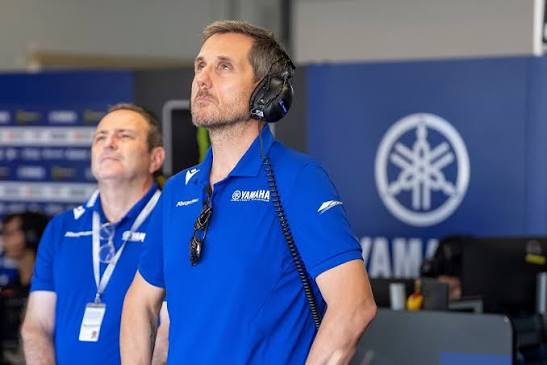
Yamaha boss Paolo Pavesio believes MotoGP must strike a careful balance between attracting new fans and preserving the qualities that have made the championship popular for decades as Liberty Media begins shaping its future.
Since taking control of MotoGP, Liberty Media has expressed ambitions to expand the championship's global reach, including bringing races closer to major cities and exploring changes to its sporting format. However, Pavesio believes the push for growth must be handled carefully to avoid alienating long-time supporters.
Speaking to Motorsport.com Italy, the Yamaha managing director stressed that change was necessary but needed a clear direction and a shared vision across the sport.
Pavesio is a keen follower of MotoGP's history, even owning a 2002 500cc motorcycle. For him, the championship's heritage remains an important part of its identity, and efforts to modernise the sport should build on that foundation rather than replace it.
The debate comes as MotoGP prepares for a major technical overhaul in 2027, when engine capacity will be reduced from 1000cc to 850cc and Pirelli will replace Michelin as the official tyre supplier. Other proposals, including the removal of wildcard entries and possible changes to the sprint-race format, have also attracted attention.
Pavesio is supportive of the technical changes, which were planned before Liberty Media's involvement. He believes the new regulations could make the bikes more manageable for riders while retaining the speed and excitement that define the premier class.
The challenge, he suggested, is ensuring that commercial ambitions do not overshadow the sporting product itself.
One of Pavesio's main concerns is MotoGP's reliance on its manufacturers, which play a different role in the championship's business model compared with Formula 1.
According to Pavesio, the five manufacturers participating in MotoGP account for around 70% of the investment in the championship. Their involvement is closely tied to motorcycle sales, making the sport's ability to connect with consumers particularly important.
“And why do we do it? To sell motorcycles,” Pavesio said.
That commercial link means manufacturers need MotoGP to remain relevant not only to existing fans but also to potential customers. Growing the audience could create opportunities to promote everything from high-performance motorcycles to everyday scooters.
Source: Yamaha Racing
However, Pavesio's comments suggest that expanding the fan base should not come at the expense of the people who have supported the championship over the years. If major changes weaken the connection between MotoGP and its established audience, manufacturers could eventually question the value of their investment.
At the same time, he recognises the opportunities presented by Liberty Media's experience in sports promotion. Formula 1 has demonstrated how stronger commercial strategies and broader audience engagement can increase a championship's appeal and business value.
For MotoGP, however, the path forward may require a different approach. Its manufacturers have a direct interest in turning the popularity of racing into demand for motorcycles, meaning commercial decisions must account for both sporting appeal and business returns.
Pavesio's message is not a rejection of change. Instead, he believes MotoGP should pursue growth through a clear, long-term strategy that respects its history, supports its manufacturers and attracts new audiences.
As Liberty Media looks to shape the championship's next chapter, the challenge will be to make MotoGP more accessible and commercially successful without losing the identity that sets it apart.