


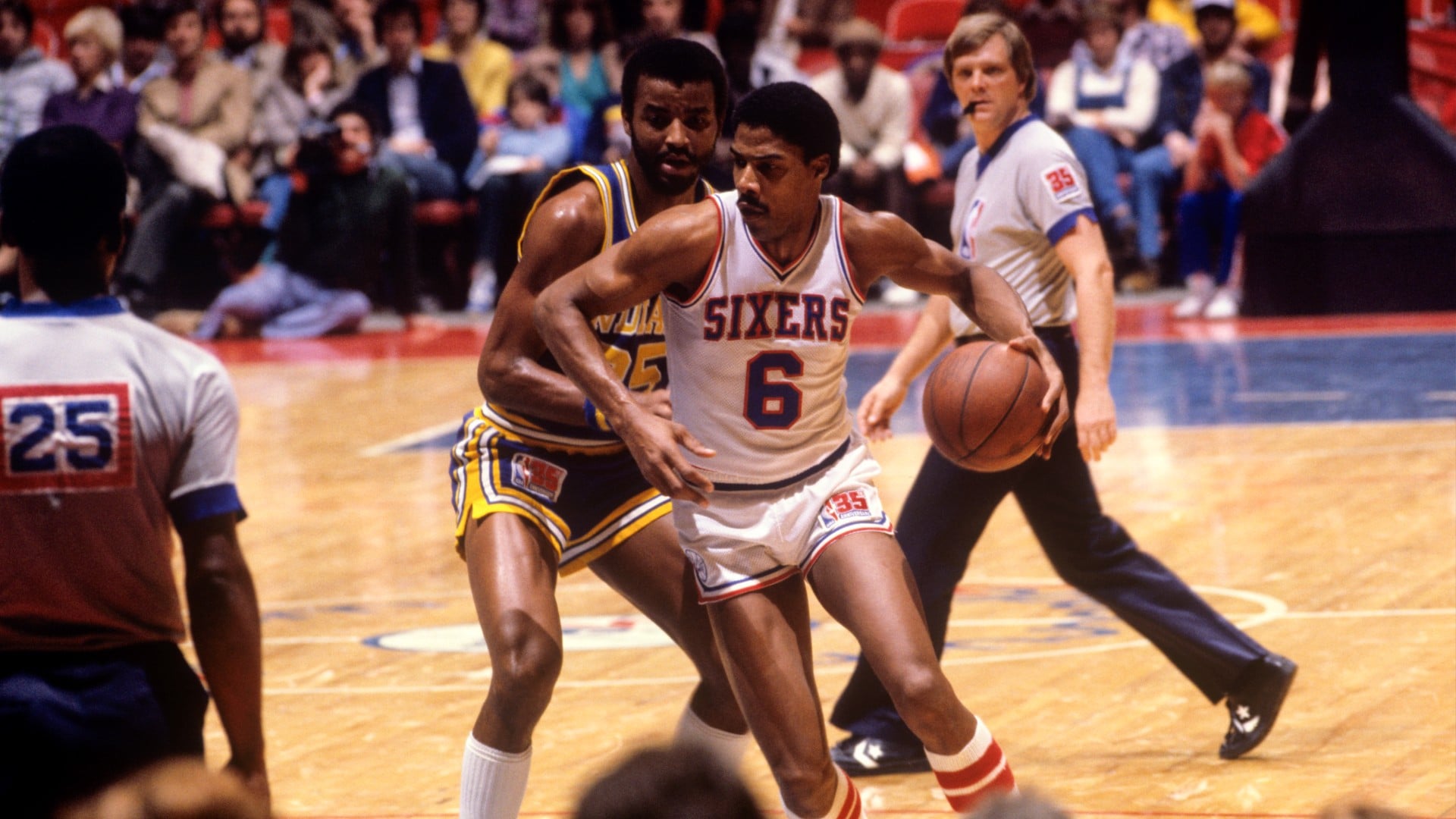
Julius Erving, better known as Dr. J, helped redefine basketball with his iconic dunks, creative finishes and gravity-defying layups. The Basketball Hall of Famer reflects on his ABA career, his championship journey with the Philadelphia 76ers, the influence of legends Elgin Baylor and Bill Russell, and why basketball must preserve its history as the ABA-NBA merger marks its 50th anniversary.
Key Takeaways from Dr. J:
ABA's Lasting Legacy: Erving stresses the importance of recognising the ABA's contributions and the players who helped lay the foundations of professional basketball.
Inspired by Legends: Elgin Baylor and Bill Russell played significant roles in shaping Erving's basketball journey as a childhood hero and mentor.
Sixers Championship Glory: Erving recalls Philadelphia's passionate fans, multiple NBA Finals appearances and how Moses Malone helped the team finally secure a championship.
Teamwork and Sacrifice: Erving believes success depends on players putting the team first, learning from mentors and maintaining physical, mental, emotional and spiritual well-being.
Julius Erving's Iconic Shots and Basketball Legacy
From his soaring baseline dunk over Kareem Abdul-Jabbar to the famous rock-the-baby windmill against Michael Cooper, Erving created some of basketball's most memorable moments. His spectacular reverse layup remains another signature move that continues to impress fans.
After starring in the American Basketball Association (ABA) and the NBA, Erving earned the NBA MVP award in 1980-81 and won an NBA championship with the Philadelphia 76ers in 1983.
With the 50th anniversary of the ABA-NBA merger being celebrated this season, Erving spoke about his career, the ABA's influence and the importance of preserving basketball history.
Why the ABA's Contributions Must Be Remembered
Erving believes basketball's history should be told from its beginnings, including the league's early years in 1946-47. Although footage from that era may be limited, he argues that the players who established the sport's foundations deserve recognition.
He emphasised that the ABA should not necessarily dominate historical discussions, but its contributions should never be ignored as though the league never existed.
Elgin Baylor and Bill Russell: The Legends Who Inspired Dr. J
Elgin Baylor was Erving's childhood basketball hero. He recalled watching Baylor play against the New York Knicks on television, becoming fascinated by the forward's movement and reverse layup. At around 10 or 11 years old, Erving went to the park to imitate the move, eventually incorporating it into his own game.
Meeting Baylor years later in Las Vegas was an unforgettable experience, even affecting Erving's already struggling golf game. Bill Russell also had a profound influence, extending his friendship and becoming a mentor and role model. Erving considers Baylor and Russell two of the most significant players of their generation in shaping his own basketball journey.
The ABA's Entertaining Style and Erving's Early Career
Asked about the ABA's style and talent, Erving pointed to former teammate George Gervin, who played alongside him for half a season with the Virginia Squires. Gervin captured the league's approach by explaining that players wanted to entertain the crowd and ensure fans got their money's worth.
Erving's transition from college to professional basketball also transformed his game. During college, dunking was prohibited under the Lew Alcindor rule. Turning professional allowed him to make the dunk a weapon while continually developing new ways to attack the basket. He also spent five years playing summer basketball in Harlem's Rucker League before his legs could no longer handle the demands of playing outdoors.
Erving continues to support the four former ABA teams that survived the merger: the San Antonio Spurs, Denver Nuggets, Indiana Pacers and New York Nets, now known as the Brooklyn Nets. His loyalty to the ABA even led him to support San Antonio when the Spurs faced his hometown New York team.
Philadelphia 76ers: The Road to NBA Championship Glory
Erving described Philadelphia as a city where basketball fans were deeply invested in their team. During his 11 years with the 76ers, he witnessed the organisation reach the NBA Finals four times in seven years, highlighting how difficult it was to assemble the right combination of players.
The team came close in 1976, winning the first two Finals games before losing the next four. Despite several appearances on the biggest stage, the championship remained elusive until the arrival of Moses Malone.
Erving praised Malone's extraordinary passion and work ethic, recalling how the centre approached every practice and game with the intensity of someone preparing for a full day's work. Malone's arrival proved decisive as Philadelphia finally captured the NBA championship in 1983.
Dr. J on the New-Look Sixers and the Importance of Sacrifice
Looking at the current Sixers team featuring LeBron James, Joel Embiid, Jalen and Tyrese, Erving was encouraged by the players' emphasis on sacrifice. He explained that championship teams must understand who should take the decisive shot in critical moments. Sometimes the best option is the player holding the ball; in other situations, a designated teammate may be better suited to deliver.
The team must identify those responsibilities through discussion and practice, while aiming to build leads large enough that games do not regularly come down to the final possession. For Erving, collective success depends on players understanding their roles and putting the team's goals ahead of individual recognition.
Julius Erving's Advice: Strive for the Complete Package
Reflecting on his career and influence on basketball, Erving stressed that no player succeeds alone. Teammates, mentors and medical professionals all contribute to an athlete's development and longevity. He also highlighted the importance of preparing for life beyond basketball, including maintaining interests such as golf after retirement.
Erving's philosophy centres on achieving balance across four key areas: physical, mental, emotional and spiritual well-being. Keeping each area as close to 10 out of 10 as possible, he explained, brings a person closer to becoming the complete package.
His message extends beyond basketball: lasting success comes not only from talent, but also from the people who support you, the lessons you learn and the effort you put into every part of life.