


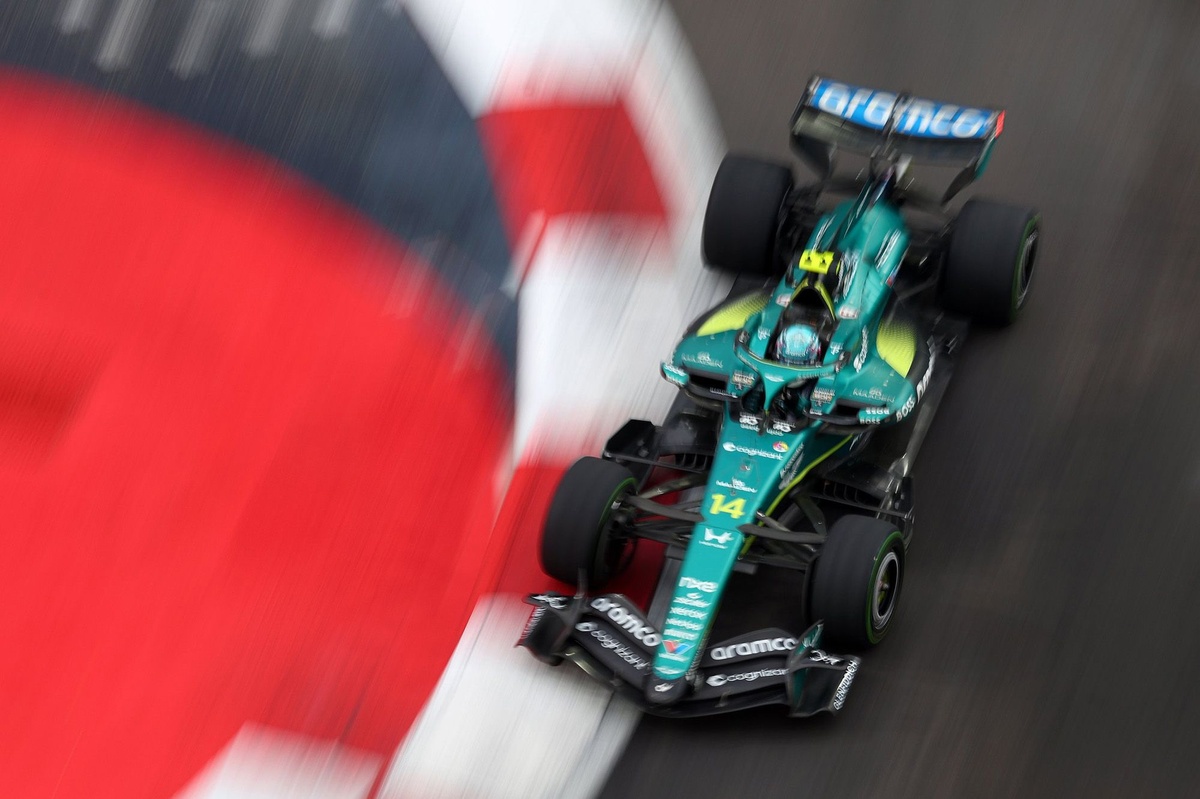
The Double-Edged Sword of Spec 2
The brutal truth is out: Honda's latest Formula 1 power unit upgrade, while bringing a much-needed boost in raw power, has inadvertently dragged Aston Martin's driveability back to square one. Honda Racing Corporation (HRC) President Koji Watanabe has openly acknowledged the challenging paradox facing the team.
Key Points:
Honda's Spec 2 engine achieved its power output targets, successfully narrowing the gap to rival manufacturers.
However, this power gain came at a cost, significantly regressing driveability to levels seen in the troubled early days of Spec 1.
Aston Martin F1 drivers, including the vocal Fernando Alonso, have pinpointed issues like severe turbo lag and "random downshifts."
Koji Watanabe confirms that despite the power gains, engineers must now refocus on control systems and hardware to restore critical driveability.
It’s a classic two steps forward, one step back scenario for **Honda** in their full-fledged return to the Formula 1 grid. While the new Spec 2 power unit has delivered on its promise of increased horsepower, the side effect has been a significant step backward in how the unit behaves for the drivers.
This means **Aston Martin's** chassis, the **Adrian Newey-designed AMR26**, which has itself seen late-summer improvements, is still battling an unpredictable heart. Despite these engine challenges, **Aston Martin** has shown resilience, scoring **six points** across the last six rounds and beginning to challenge the midfield.
Alonso's Frustration: A Driver's Perspective
No driver understands the nuances of engine feel quite like **Fernando Alonso**. The veteran Spaniard famously described the early power unit's shortcomings, lamenting "random downshifts" and frustrating turbo lag. These aren't just minor irritations; they fundamentally disrupt a driver's rhythm and ability to push the car to its limits.
Watanabe confirmed these driver complaints were accurate. While their primary objective for Spec 2 was to boost power and close the performance gap, the intricate changes to the combustion process inadvertently compromised the power unit's responsiveness and predictability on track.
Unpacking Honda's F1 Comeback Conundrum
Why is **Honda**, a brand with a storied history in F1, facing such an uphill battle? The answer lies in the complex timeline of their return to the championship and the demanding new technical regulations that mandate nearly 50% electrical energy in the power units.
Following their official withdrawal from the **Red Bull** partnership in **2021**, **Honda** made the decision to return in **2023**. However, according to **Watanabe**, establishing a fully functional development organization took crucial time. This effectively put them almost **two years** behind competitors who had started earlier.
The Cost of a Late Start and Limited Resources
The initial focus, due to resource constraints and the longer development cycle, was on the electrified components – the battery and electric motor. While these areas met their targets, the internal combustion engine (ICE) development consequently lagged.
Had **Honda** started with a full complement of staff, resources could have been allocated simultaneously to both the electrified and ICE components. By the time they shifted focus to the engine, they were battling not only lost time but also the sport's strict budget cap and operating time restrictions, making it nearly impossible to recover the lost ground.
The Road Ahead: Balancing Power and Precision
Despite the current driveability setback, **Watanabe** remains optimistic. He believes the issues can be rectified through a combination of hardware refinements and sophisticated control-system adjustments. Early indications suggest driveability is already showing signs of improvement, even under these difficult circumstances.
The message is clear: the quest for raw power must now be paired with an intense focus on precision and driver feel. For **Aston Martin** to truly climb the F1 ranks, **Honda** must deliver a power unit that is not only mighty but also manageable. The journey to a perfectly balanced engine continues.