


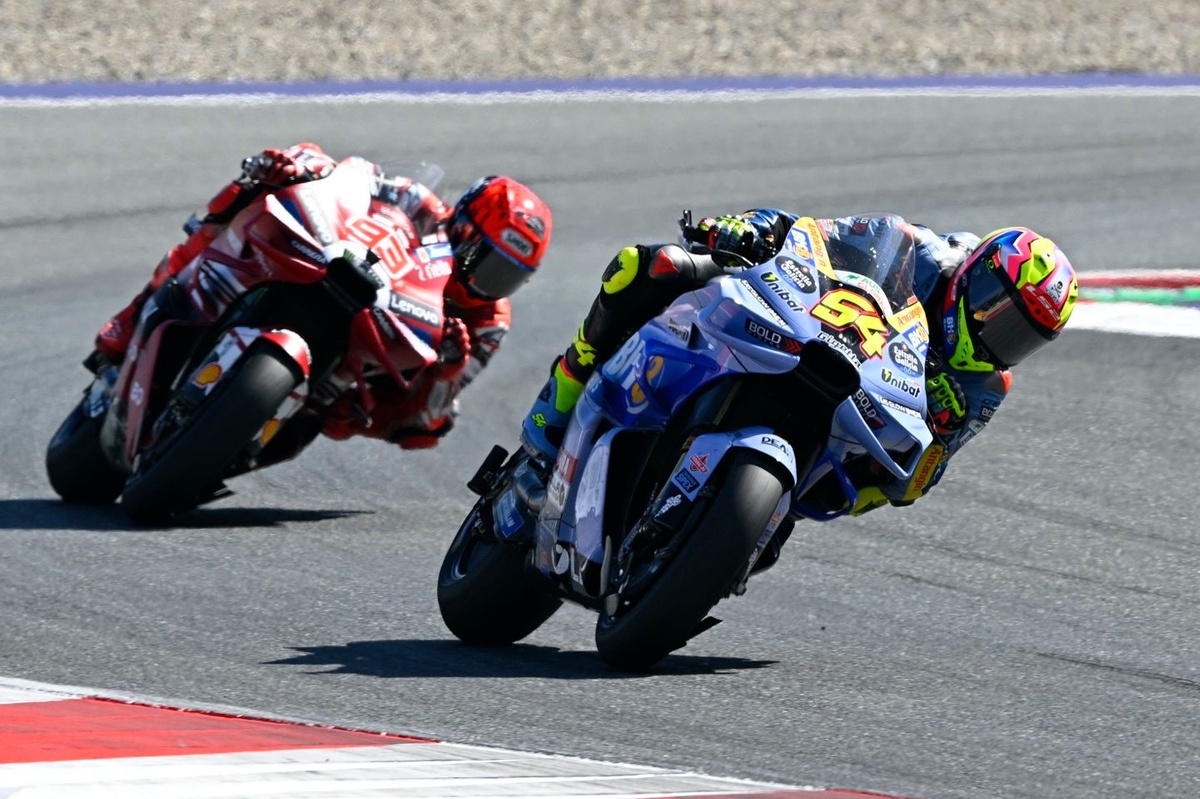
It's a bold claim in a sport defined by relentless innovation and shifting power, but Gresini Racing is convinced that MotoGP's radical 2027 rule changes won't just maintain the current competitive balance between factory and satellite teams – they might even empower the independents. This seismic shift, featuring 850cc engines and new Pirelli tires, is seen by some as a potential equalizer.
Key Insights from Gresini
Level Playing Field: Sporting Director Michele Masini believes the 2027 MotoGP regulations will see the competitive order between factory and satellite teams remain "more or less" the same.
Pirelli Advantage: Mastering the new Pirelli tires could give satellite teams an early edge, especially in the initial races.
Unchanged Support: Ducati's technical support for Gresini is expected to continue at the same high level, despite the profound changes.
Opportunity Knocks: Gresini views the comprehensive overhaul as a prime chance to innovate and potentially gain an early lead over rivals.
The Dawn of a New MotoGP Era: 2027's Radical Reshuffle
MotoGP is gearing up for its most significant technical transformation in recent memory. The 2027 season will introduce 850cc engine capacity, stricter aerodynamic limits, and a ban on ride-height devices. Crucially, the switch from Michelin to Pirelli tires adds another layer of complexity, demanding a complete re-evaluation of racing strategies and bike setups.
This widespread overhaul means that every piece of track data will be gold. Manufacturers have already begun testing their 850cc prototypes, ramping up development work. While factories pour resources into R&D, their satellite counterparts face the immense challenge of quickly adapting to the new machinery and, perhaps most critically, the unfamiliar Pirelli rubber.
Gresini's Bold Stance: Parity, Not Peril, for Satellite Squads
Despite the inherent advantage of factory teams in early testing, Gresini Ducati remains unfazed. Sporting Director Michele Masini is confident that the new rules won't widen the performance gap. "I think that the level could be more or less the same as now," Masini stated, challenging the common narrative that such changes always favor the big players.
He emphasizes the critical role of tire management in the upcoming era. "In terms of performance, it will be crucial to immediately understand the Pirelli tyres." Masini suggests that satellite teams could potentially "play better compared to some factory teams" if they quickly grasp the nuances of the new tires. This understanding could be a significant boost, especially in the opening races.
Decoding the Pirelli Puzzle: A Potential Early Edge
The shift to Pirelli tires represents a significant unknown for every team on the grid. While factory outfits have had exclusive testing opportunities for the new bikes, satellite teams like Gresini only got their first taste of the 850cc machines with Pirelli tires at the Spielberg test last month. This initial contact is just the beginning.
Masini highlighted that Pirelli is still developing the final compounds. The real test will come during the pre-season sessions at Sepang and Buriram next year. Teams that can swiftly decipher the characteristics of the new rubber and integrate them into their setup could carve out a vital advantage.
Ducati's Unwavering Commitment
Concerns that a major rule change might strain the relationship between manufacturers and their satellite partners are quickly dismissed by Gresini. Masini asserts that Ducati's support will remain steadfast. "The support never changes. You don't have to change the support because at the end we work together tirelessly every day of every GP weekend," he affirmed.
He expressed full confidence in Ducati's ability to deliver a strong package, acknowledging that the bike's character will evolve in conjunction with the new tire specifications. This consistent backing is crucial for Gresini, a team known for its independent spirit and a track record of grand prix victories since parting ways with Aprilia five years ago. Currently, Alex Marquez races a factory-spec GP26, while Fermin Aldeguer pilots the year-old GP25, showcasing Gresini's ability to maximize different equipment levels.
Embracing the Reset: A Strategic Advantage
For Gresini, these new regulations aren't a threat; they're an unparalleled opportunity. Masini's excitement is palpable: "Because every time the regulation changes, you have the possibility to try to work. And if you are smart, maybe you arrive to solve some problems before the others and maybe we could play to take some advantage in the first couple of races."
This forward-thinking approach underscores Gresini's ambition to leverage the rule reset. By being agile and insightful in understanding the 850cc bikes and Pirelli tires, they aim to turn potential challenges into strategic advantages, reinforcing their position as a formidable force in MotoGP.