


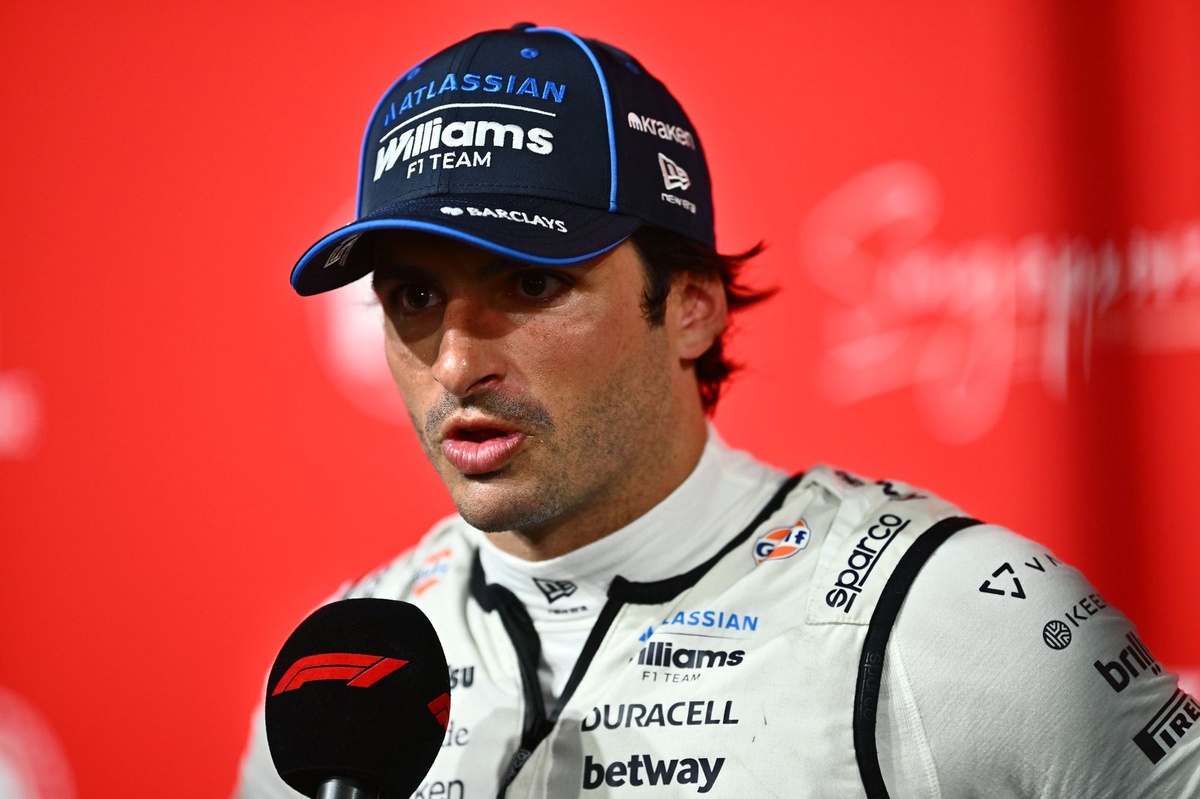
The final stretch of the Formula 1 season hangs under a cloud of geopolitical uncertainty, with veteran driver Carlos Sainz openly questioning the wisdom of pushing ahead with races in Qatar and Abu Dhabi amidst escalating Middle East tensions. His candid remarks ignite a crucial debate about safety and the sport's global footprint.
Key Points:
Carlos Sainz, a GPDA director, expresses strong doubts about F1's commitment to its Middle East season finale.
He finds F1 and FIA's confidence in proceeding with Qatar and Abu Dhabi "premature" given regional instability.
Despite concerns, F1 management and the FIA insist the races will go ahead as planned.
Drivers acknowledge they must ultimately trust official safety assessments, but remain wary of rapid geopolitical shifts.
A Driver's Doubts: Sainz Challenges F1's Firm Stance
As the Formula 1 circus prepares for the United States Grand Prix, the focus has subtly shifted from track battles to global affairs. Carlos Sainz, a respected voice in the paddock and a director for the Grand Prix Drivers' Association (GPDA), has voiced significant skepticism regarding the scheduled season-ending double-header in the Middle East. He explicitly stated it's "very difficult to be convinced right now" that Qatar and Abu Dhabi can safely host their respective events.
This isn't merely a personal opinion; it reflects a broader unease. Sainz highlights the ongoing volatility in the region, citing reports of new strikes and the broader conflict involving the US, Israel, and Iran. The potential ripple effects of the upcoming US midterm elections on November 3rd further complicate the outlook, making any long-term guarantees seem fragile.
The Shifting Sands of Geopolitics
Formula 1 and its governing body, the FIA, have maintained a steadfast position: the races in Qatar (late November) and Abu Dhabi (early December) will proceed as planned. They cite assurances from various stakeholders and their own intelligence. However, Sainz argues that the rapid pace of global events means this confidence might be "relatively premature." He underscores how political landscapes can transform overnight, potentially rendering current assessments obsolete.
The sport's global calendar has always intertwined with international relations, but never more acutely than now. Ensuring the safety of teams, personnel, and fans in such a dynamic environment is a monumental task, and Sainz's comments pull back the curtain on the internal discussions happening among drivers.
Trusting the Authorities, Eyeing the Horizon
Despite his reservations, Sainz acknowledges the drivers' role. "If the FIA and Formula 1 decide that's still safe and a good scenario, I think we as drivers have to go with whatever they say," he explained. This reflects the inherent trust hierarchy in elite sports; drivers rely on the comprehensive intelligence gathered by series executives. They simply don't have the same "inside information" to make independent safety calls.
However, this trust comes with a crucial caveat: it's "as it stands." The Ferrari star emphasizes the need for constant re-evaluation, stating, "the world can change a lot in the next month and a half." The sport must remain reactive, prioritizing safety above all else, even if it means altering plans at short notice.
Imola: The Contingency on Standby
It's worth noting that F1 has reportedly explored contingency plans, with Imola being an alternative venue mooted for the Abu Dhabi race slot. While this indicates a level of preparedness for unforeseen circumstances, the prevailing sentiment from series chiefs is a strong desire to honor existing commitments in the Middle East. The delicate balance between contractual obligations, financial considerations, and the paramount importance of safety continues to be a defining challenge for the sport's leadership.
The Road Ahead: Safety First for Formula 1
Carlos Sainz's outspokenness injects a dose of reality into the high-octane world of Formula 1. While the thrill of the championship battle beckons, the human element—the safety and well-being of everyone involved—must always take precedence. The coming weeks will undoubtedly test F1's leadership, as they navigate a complex geopolitical chessboard to bring the 2026 season to a safe and fitting conclusion.