


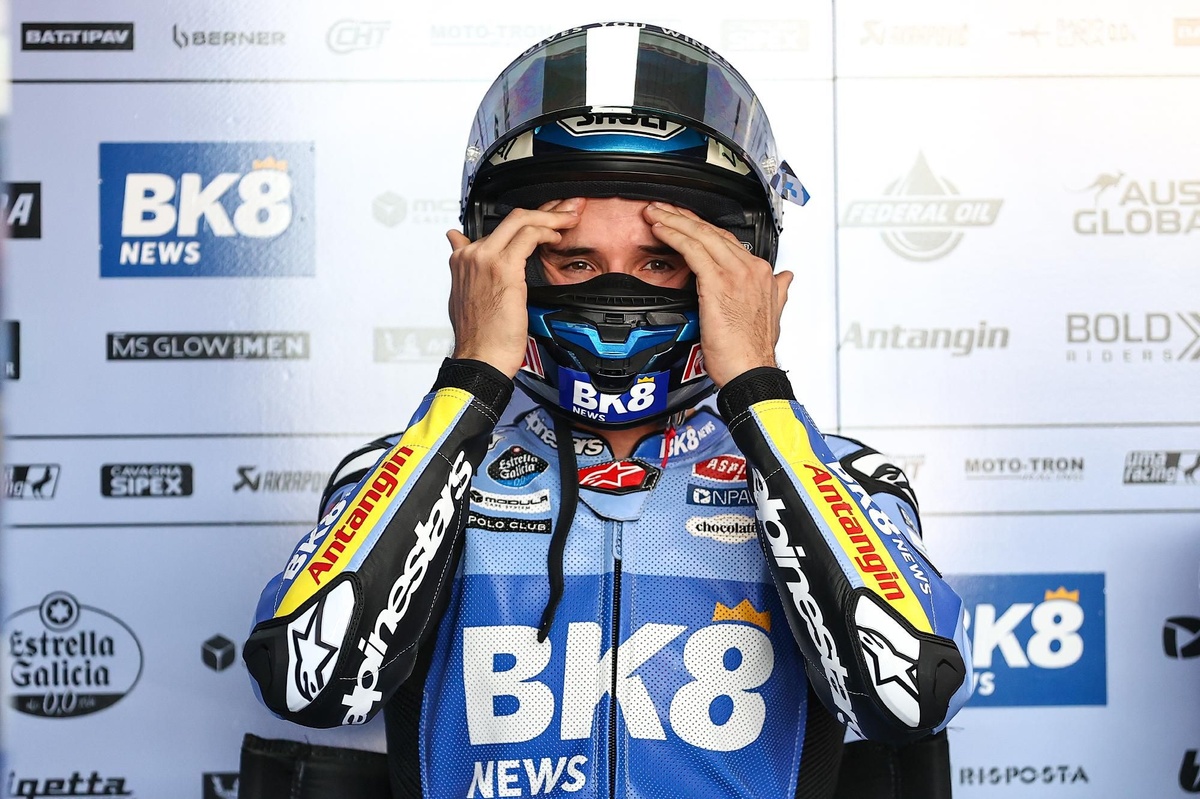
What happened to Alex Marquez?
That's the question echoing through the MotoGP paddocks this season as the Gresini rider grapples with a campaign far removed from his breakout 2025 success. Once a beacon of consistency, Marquez has faced a brutal reality in 2026, struggling to find his rhythm despite the promise of a factory-spec Ducati.
Key Takeaways from Alex Marquez's 2026 Season
Injury Impact: A severe collarbone injury sustained at the Catalan Grand Prix in May has profoundly impacted his performance.
Team Confidence: Gresini boss Michele Masini asserts Marquez's raw speed remains intact, with the shoulder injury being the primary hurdle.
Consistency Challenges: Unlike 2025, Marquez has struggled with race-to-race consistency, leading to a distant eighth in the championship.
Sibling Contrast: His points tally (172 points) is less than half of his elder brother Marc Marquez's, highlighting a significant performance gap.
The Lingering Shadow of Catalunya: A Season Derailed
Alex Marquez's 2026 MotoGP journey promised so much. After a stellar 2025 season where he consistently challenged for podiums, expectations were high for the rider, especially with the advanced Ducati GP26. However, the dream season quickly turned into a fight for form, largely due to a cruel twist of fate at the Catalan Grand Prix.
Team manager Michele Masini sheds light on the situation: “This year, at a certain point, when we found a very good base and a very good speed like last year, we had a huge crash in Barcelona - a huge injury that stopped him for a couple of races.” This collision with Pedro Acosta resulted in a broken collarbone, a setback that continues to plague Marquez.
The Physical Gauntlet and Mounting Pressure
Marquez himself admits to the ongoing battle. “I'm still struggling a little bit on the shoulder,” he stated in Mandalika. He highlighted how the intense, back-to-back race schedule post-injury has exacerbated his recovery challenges, making it difficult to maintain peak physical condition required for a MotoGP machine. He notes, “To ride a MotoGP bike, you have to be at 100%. For example, if at the moment you are 95%, you are missing something.”
This physical limitation has translated into some uncharacteristic errors on track. From crashing out of a strong second place at the German GP due to